

And what makes them so valuable?
While writing my Opportunity Score case study, I found myself thinking about an unusual question: what are the most valuable pixels in technology?
As product designers, we spend a lot of time discussing usability, accessibility, aesthetics, and interaction patterns. We debate layouts, navigation structures, and visual hierarchy. Yet some areas of a product quietly accumulate enormous business value while occupying only a tiny portion of the screen.
Opportunity Score lived in one of those places. Positioned within the highest-traffic surfaces in Meta Ads Manager, the flagship platform responsible for driving the digital ads business responsible for 97% of Meta’s revenue, it sat directly alongside the decisions advertisers make every day. That realization led me to a broader observation: not all screen real estate is created equal. Some pixels influence billions of dollars in economic activity. Some shape user attention. Some determine which products are discovered, purchased, or ignored. Some just look nice.
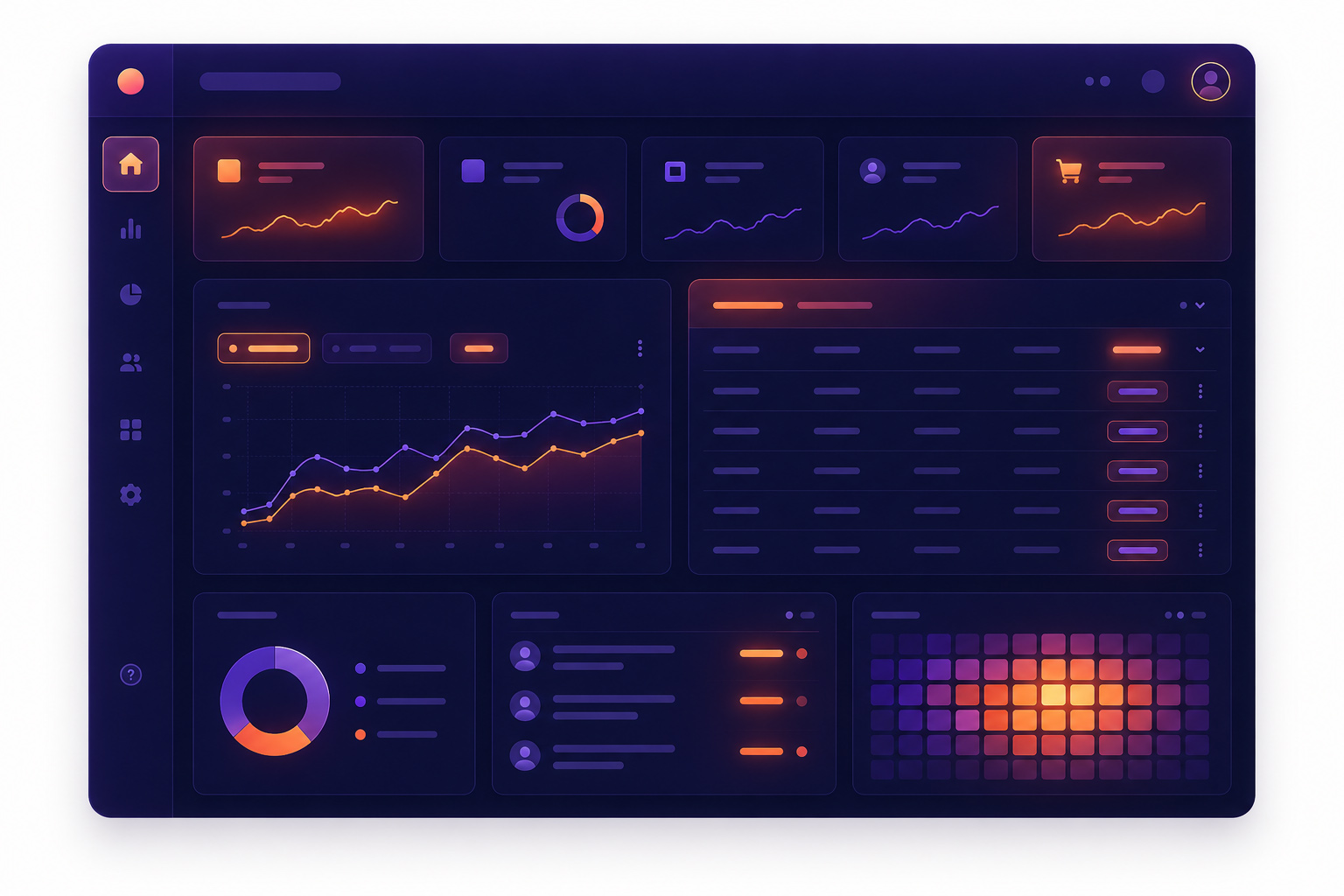
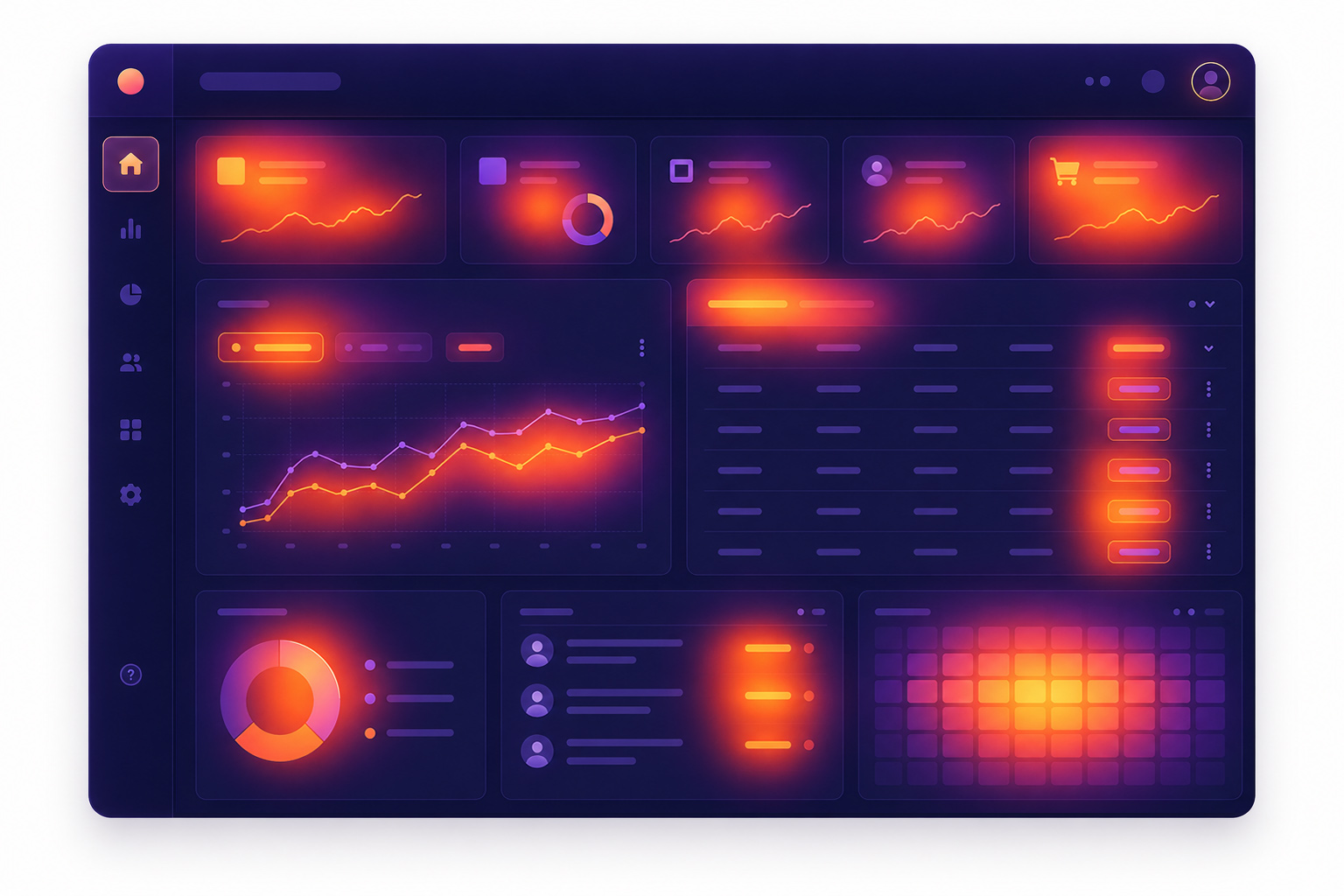
Focal points can be measured with heat mapping, identifying the important locations on a page.
Defining pixel value
Any good real estate agent will tell you the same thing: location is everything
A pixel’s value isn’t determined by its size. All pixels are the same size. No pixel is more “upgraded” than another. Every pixel has identical capability.
It’s value is determined by it’s influence.
A button inside a settings menu may occupy the same number of pixels as a checkout button, but the outcomes they influence are dramatically different. The most valuable areas of a product tend to share four characteristics:
- They sit close to user intent
- They influence high-impact decisions
- They receive disproportionate attention
- They directly affect measurable outcomes
The closer an interface element sits to a moment of decision, the more valuable it becomes.
The four drivers of pixel value
01
Attention density
Some areas of a screen naturally attract attention. Users may spend only seconds looking at a page, but a significant percentage of that attention is concentrated in a few locations. Calls-to-action receive far more visual attention than adjacent actions.
02
Decision density
Some areas of a product are associated with low-impact decisions. Others determine purchases, engagement, business outcomes, or platform growth. The more important the decisions occurring within a surface, the greater its value.
03
Economic proximity
Certain surfaces sit directly adjacent to revenue generation. Examples include purchase flows (e-comm), search rankings, recommendation systems, marketplace listings, booking pages, etc. These become strategic assets because they influence economic outcomes directly.
04
Scarcity
User attention is finite. Every product competes for a limited amount of cognitive bandwidth. The fewer opportunities a product has to influence a decision, the more valuable those moments become.
Examples of the types of high-value pixel real estate
Any good real estate agent will tell you the same thing: location is everything
01
Search results
Search engines are probably the clearest examples of value concentration. A small difference in ranking position can produce massive differences in traffic, engagement, and revenue. Entire industries have emerged around improving visibility within a handful of search results, regardless of the platform.
Example: Google search ads

02
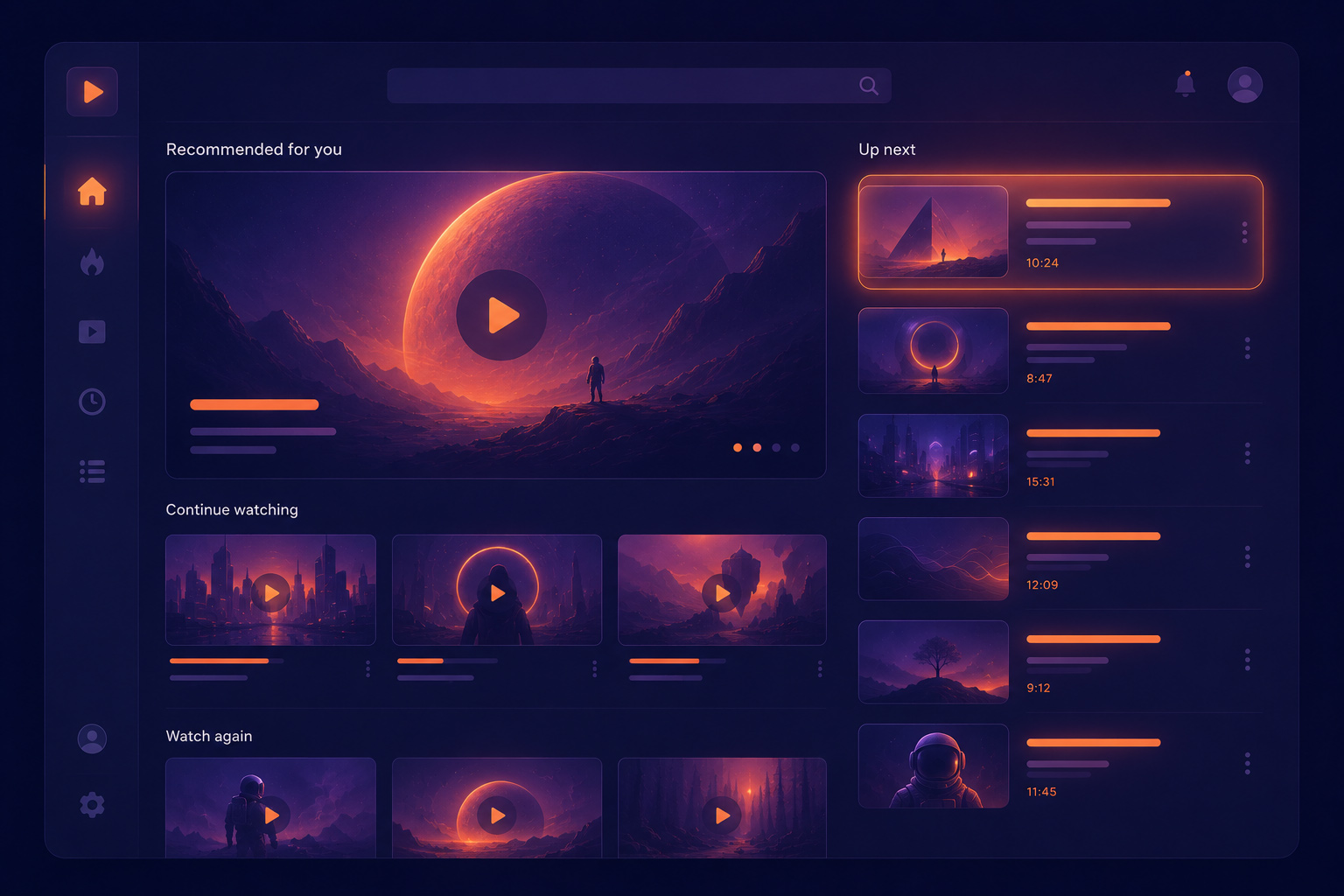
Recommendation systems
Recommendation systems determine what users discover next. Whether on streaming platforms, social networks, marketplaces, or video platforms, recommendation surfaces shape enormous amounts of attention and engagement. The recommendation itself may occupy only a small portion of the interface, but it influences what happens next.
Example: YouTube’s recommended videos
03
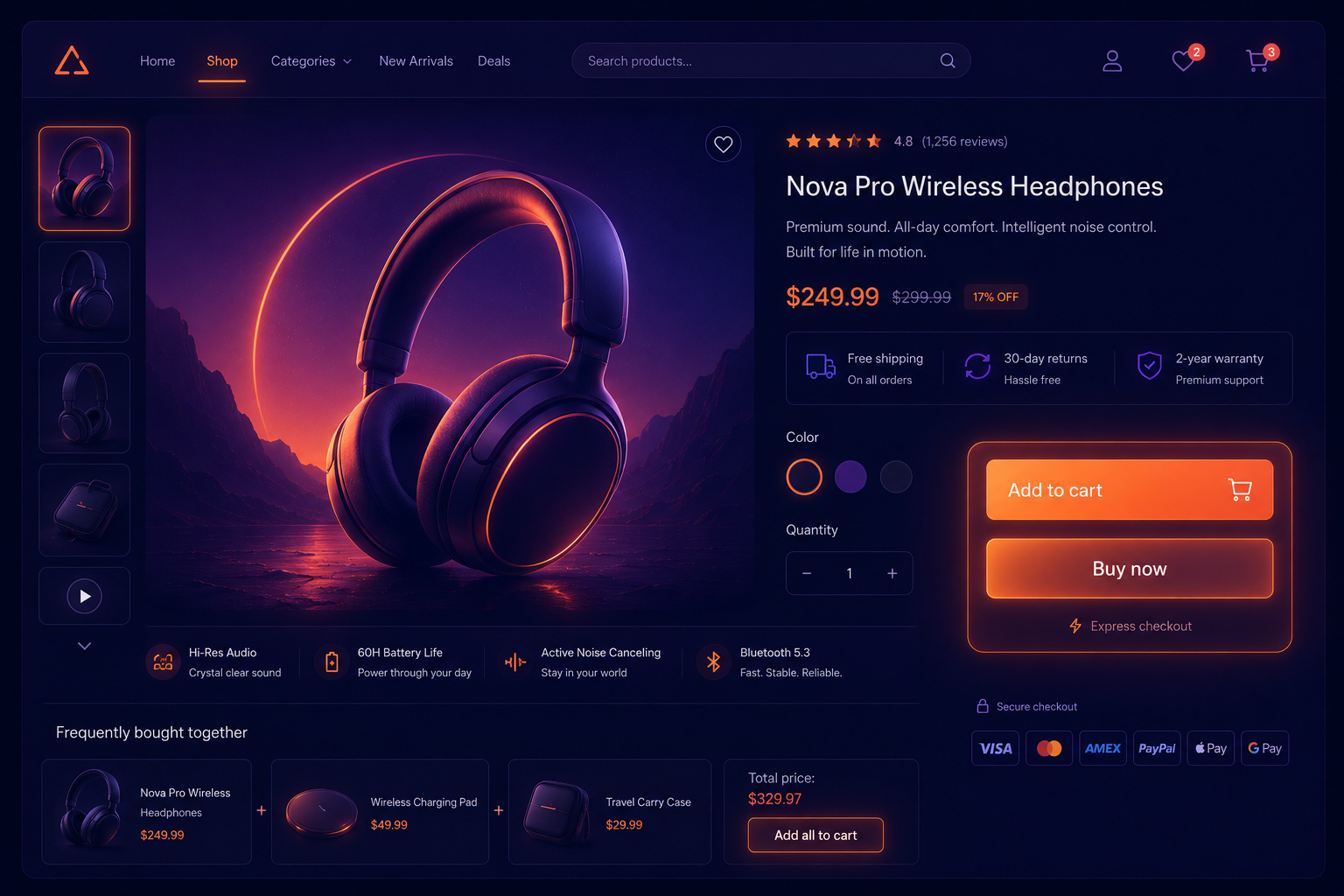
eComm purchase surfaces
Few interface elements are more directly connected to economic outcomes than purchase flows. Add-to-cart buttons, buy boxes, checkout modules, and subscription prompts all sit at the intersection of attention, intent, and revenue.
Example: Amazon’s buy box
04
App store rankings
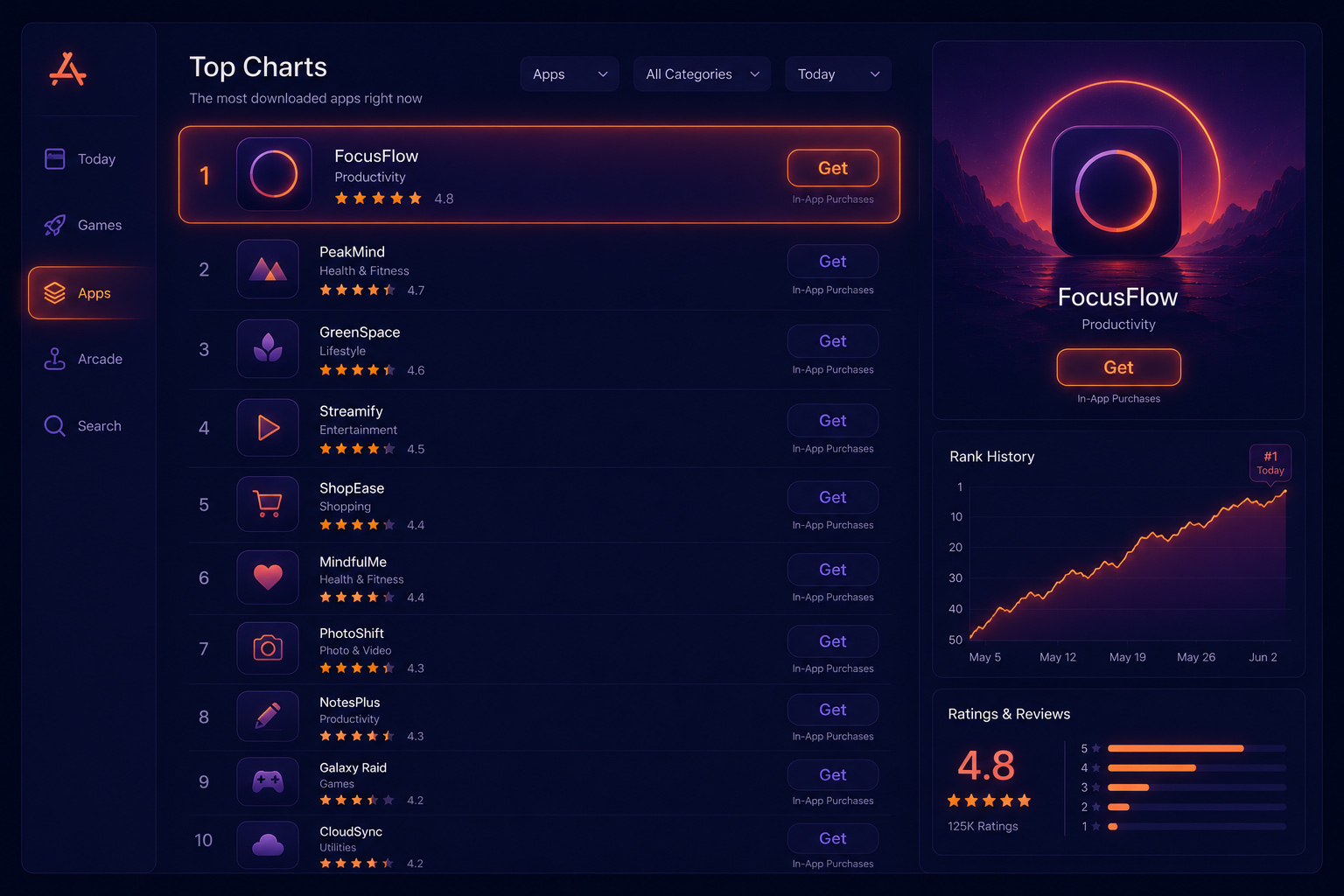
App discovery is heavily concentrated within a small number of visible positions. Moving a product a few positions higher can dramatically alter acquisition rates, making these ranking surfaces disproportionately valuable relative to their size.
Example: Apple’s iOS app store
The highest-value pixels I’ve ever designed
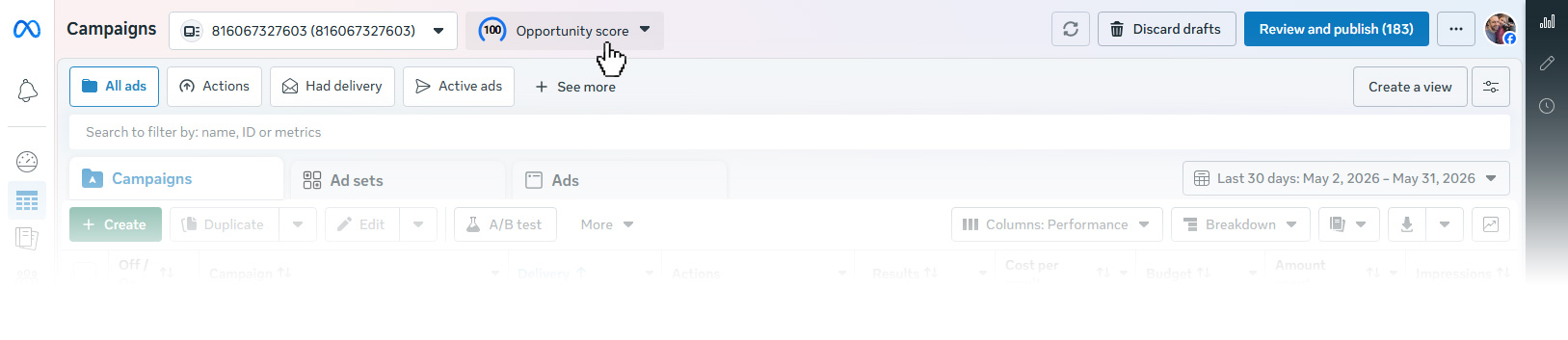
The most valuable pixels I’ve ever designed weren’t in a social feed or consumer app. They lived inside the header of Meta Ads Manager.
Only 200 pixels wide and 40 pixels tall, they support the core business of one of the most successful platforms in the world.
Specifically, they powered Opportunity Score, a persistent entry point anchored to the campaign table, the most heavily used surfaces in Meta’s advertising ecosystem. Advertisers use this workspace to manage budgets, monitor performance, and make decisions that collectively influence billions of dollars in ad spend.
What made these pixels valuable wasn’t their size, but their proximity to decision-making. Unlike most recommendation systems, Opportunity Score remained constantly visible while advertisers worked, transforming optimization guidance from a feature into an always-present on-screen marketing consultant. The experience changed how I think about design value. Some pixels communicate information. Others influence behavior. The rarest pixels help shape how massive economic systems operate. Opportunity Score was designed to do exactly that.